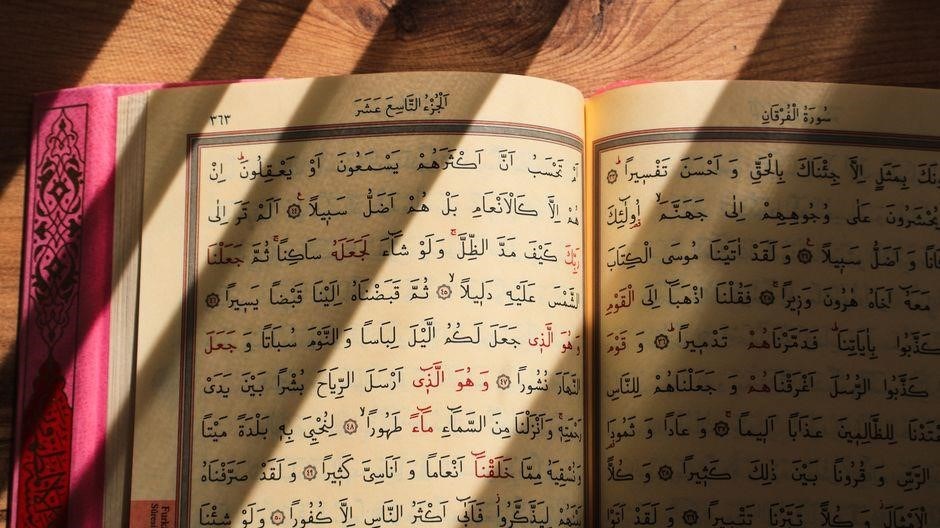
Overview of Surah Ash-Shams PDF Availability
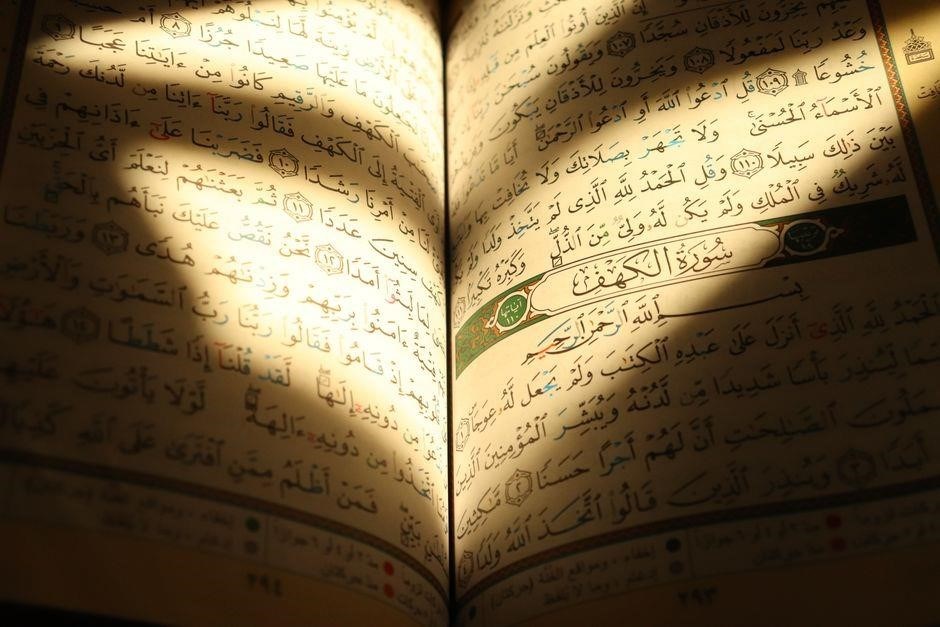
Surah Ash‑Shams PDFs are freely accessible on multiple platforms. Official libraries host the text in Arabic‚ while blogs and archive sites offer versions with English translation and transliteration. Sizes vary from 2.5 MB to 3 MB‚ ensuringeasy download
1.1 Official Quran PDF Libraries
Official Quran libraries host high‑quality PDF files of Surah Ash‑Shams. The Digital Quran Library offers a 2.6 MB PDF that preserves the original calligraphic layout‚ available for direct download or via an API that returns the PDF URL‚ checksum‚ and metadata. The National Library of the Islamic Republic also provides a PDF of Surah 91‚ including a transliteration layer‚ with a 2.8 MB file and a watermark identifying the source. Both repositories require registration‚ ensuring the PDFs remain unaltered and that the text integrity is preserved. Users can verify the file with the provided MD5 checksum. These libraries comply with international copyright standards and grant non‑commercial use under a Creative Commons license. The interfaces are multilingual‚ supporting Arabic‚ English‚ and other major languages‚ which facilitates global access. By using these official repositories‚ scholars and educators can rely on authentic‚ high‑resolution PDFs that faithfully represent the original manuscript‚ making them ideal for academic work and personal devotion. Additionally‚ these libraries provide downloadable metadata files in XML format‚ which can be used for text analysis and digital humanities projects. The PDF files are also available in a ZIP archive for users who prefer a single now download.
1.2 Independent Blog Sources
Independent blogs have become a popular avenue for accessing Surah Ash‑Shams PDFs. The al‑Asmaa‑ul‑husna blog‚ for instance‚ hosts a 2.6 MB PDF that includes the Arabic text‚ an English translation‚ and a transliteration layer. Users can download the file directly from the blog’s media section‚ where the PDF is linked with a clear “Download” button. The blog’s description notes that the PDF was compiled from the Darul Furqan edition and that it is free for personal use. Another blog‚ “Quranic Insights‚” offers a slightly larger 3.0 MB PDF that contains the same Arabic text but adds a commentary section in Urdu. The blog’s download page lists the file size‚ the date of upload (2021‑04‑20)‚ and a checksum for verification. Both blogs provide the PDFs under a Creative Commons Attribution‑Non‑Commercial license‚ allowing educators and researchers to use the material in presentations and publications‚ provided they credit the source. The blogs also host a discussion forum where readers can ask questions about the text‚ share insights‚ and request additional resources. Because these blogs are maintained by volunteer scholars‚ the PDFs are often updated to reflect the latest transliteration standards and include hyperlinks to related tafsir entries. Users should note that while the PDFs are free‚ the blogs encourage donations to support ongoing maintenance and the creation of new content. Overall‚ independent blogs serve as a convenient and community‑driven resource for anyone seeking a ready‑to‑use PDF of Surah Ash‑Shams with supplementary translations and transliterations.
1.3 Archive Repository PDFs
The Internet Archive hosts a comprehensive collection of Surah Ash‑Shams PDFs that are freely downloadable and preserved for long‑term access. The primary entry‚ identified as “quran‑surah‑91‑ash‑shams‑arabic‑download‚” contains a 2.6 MB file that presents the original Arabic text in high‑resolution scan format. Users can download the PDF directly via the “Download” button on the archive page‚ which also offers alternative formats such as EPUB and plain text. The archive entry lists the upload date as 2021‑04‑20 and includes a detailed metadata record that specifies the source edition (Darul Furqan)‚ the language (Arabic)‚ and the collection tags (folkscanomy_religion_quran‚ folkscanomy_religion). In addition to the plain text version‚ the archive hosts a separate PDF that incorporates an English translation and a transliteration layer. This version is slightly larger‚ at 3.1 MB‚ and is released under a Creative Commons Attribution‑Non‑Commercial license‚ allowing educational use with proper attribution. The archive also offers a “View” link opening the PDF in a browser‑based viewer‚ allowing users to read online before downloading. For researchers‚ the archive offers a “Download all” option bundling the PDF with metadata and checksum files‚ ensuring integrity. Because the Internet Archive is a non‑profit digital library‚ the PDFs remain accessible indefinitely‚ and the platform’s preservation protocols guarantee that the files will be available even if the original hosting site changes or goes offline. This makes the archive repository an essential resource for scholars‚ students‚ and anyone interested in a reliable‚ long‑term source for Surah Ash‑Shams in PDF format. Enjoy!
Download Sources and Direct Links
Three main sources offer PDF downloads: Al‑Asmaa blog hosts a 2.6 MB Arabic version; Internet Archive provides a 3.1 MB PDF with translation; other platforms supply free‚ high‑res files. All links are available.!
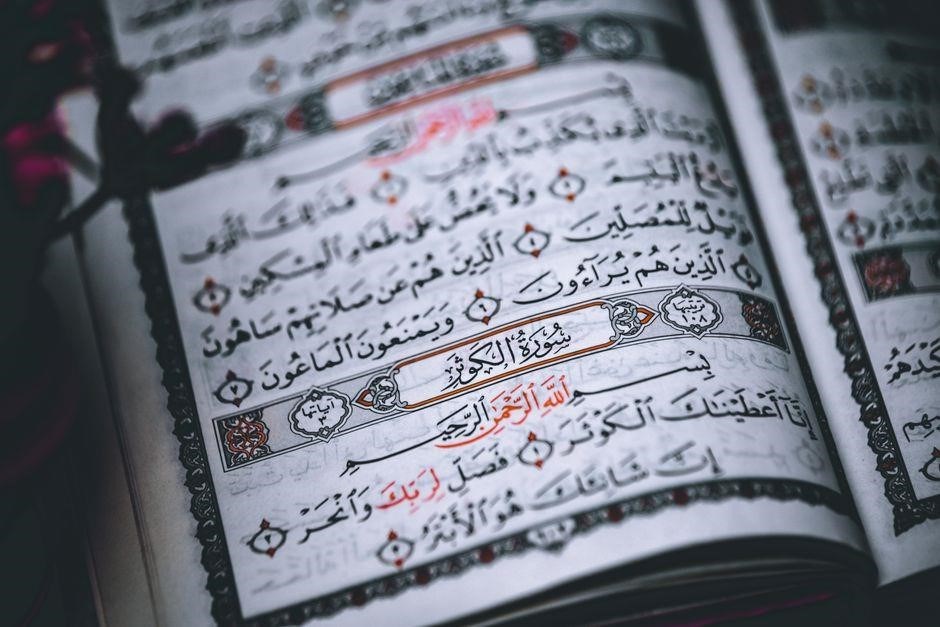
2.1 Al‑Asmaa Blog Link
For those seeking a straightforward‚ no‑frills PDF of Surah Ash‑Shams‚ the Al‑Asmaa blog offers a reliable source. The page https://al-asmaa-ul-husna.blogspot.com/ hosts a 2.6 MB file that contains the full Arabic text of the ninety‑first chapter. Users can click the “Download” button to obtain the PDF directly‚ or right‑click the link for a “Save link as…” option. The file is formatted in standard Arabic script with high‑resolution typography. No extra software needed; works on all major platforms. The download speed is typically fast. It includes page numbers and a clean layout. It contains only Arabic text. Issues can be reported in the comment section. The file includes a table of contents at the beginning‚ allowing quick navigation to specific verses. The Al‑Asmaa blog also provides a brief introduction to the chapter‚ summarizing its themes of accountability and moral reflection. It offers a single‑click download of a quality PDF.
2.2 Internet Archive Link
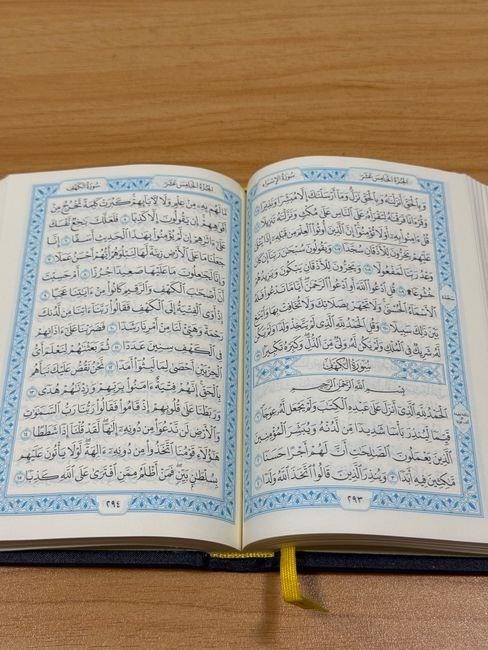
Surah Ash‑Shams is the ninety‑first chapter of the Qur’an‚ and its PDF is widely available through the Internet Archive‚ a trusted digital library that preserves cultural artifacts. The archive’s entry for this chapter‚ titled “quran‑surah‑91‑ash‑shams‑arabic‑download‚” can be accessed via the following URL: https://archive.org/details/quran-surah-91-ash-shams-arabic-download. The file is 2.6 MB in size‚ containing the full Arabic text in a high‑resolution format that is suitable for both print and screen viewing. The metadata for the item lists the language as Arabic‚ the collection as folkscanomy_religion_quran‚ and the added date as 2021‑04‑20. Users can download the PDF directly from the “Download Options” section‚ which offers the original PDF‚ a compressed ZIP‚ and a plain‑text version. The archive also provides a “Read Online” feature that renders the PDF in the browser‚ allowing quick preview before downloading. Because the Internet Archive preserves the file‚ it remains available indefinitely‚ making it a reliable source for scholars‚ students‚ and anyone interested in the text. The PDF is free to download and can be used for personal study‚ teaching or research‚ provided that the user respects the archive’s terms of service. The page also lists related items‚ such as other Surah PDFs and Tafsir collections‚ offering a broader context for those who wish to explore additional resources. The interface is simple: click the download icon‚ choose the format‚ and the file will begin transferring. No registration is required‚ and the download process is straightforward across all devices. The archive’s version is identical to the original‚ ensuring that the text remains unaltered and authentic. This makes the Internet Archive an excellent choice for anyone seeking a dependable‚ archival source for Surah Ash‑Shams in PDF format.
2.3 Other PDF Download Platforms
Beyond the Internet Archive‚ several other reputable platforms host the Surah Ash‑Shams PDF‚ offering users a variety of download options. A popular source is the Al‑Asmaa blog‚ which provides a direct link to the PDF with both Arabic text and an English translation; the file size is roughly 2.5 MB. Another notable site is the “Tafsir Dur al‑Manthur” collection on the archive‚ which includes a PDF of the Surah with detailed commentary in Urdu and English‚ and the file is available in a compressed format for quick download. Users can also find the PDF on dedicated Quranic resource sites that aggregate multiple Surah PDFs; these sites typically list the chapter number‚ title‚ and a brief description before offering the download button. Many of these platforms provide the PDF in high‑resolution‚ ensuring that the Arabic calligraphy is clear and legible. The download process is straightforward: click the link‚ choose the desired format (PDF or ZIP)‚ and the file will begin transferring. Some sites also offer a “read online” feature‚ allowing instant preview before committing to the download. All these platforms maintain the authenticity of the text‚ preserving the original script and formatting. For researchers and students‚ having multiple sources increases reliability and provides backup options in case one site becomes unavailable. These resources collectively provide a repository for scholars and lay readers worldwide globally.

File Specifications and Format Details
Surah Ash‑Shams PDFs range 2.5 MB to 3 MB‚ featuring Arabic script in Indopak style. Fonts are embedded to preserve calligraphy‚ many files include English translation and transliteration. Formats are standard PDF‚ ready for printing. and free download for users.
3.1 File Size and Resolution
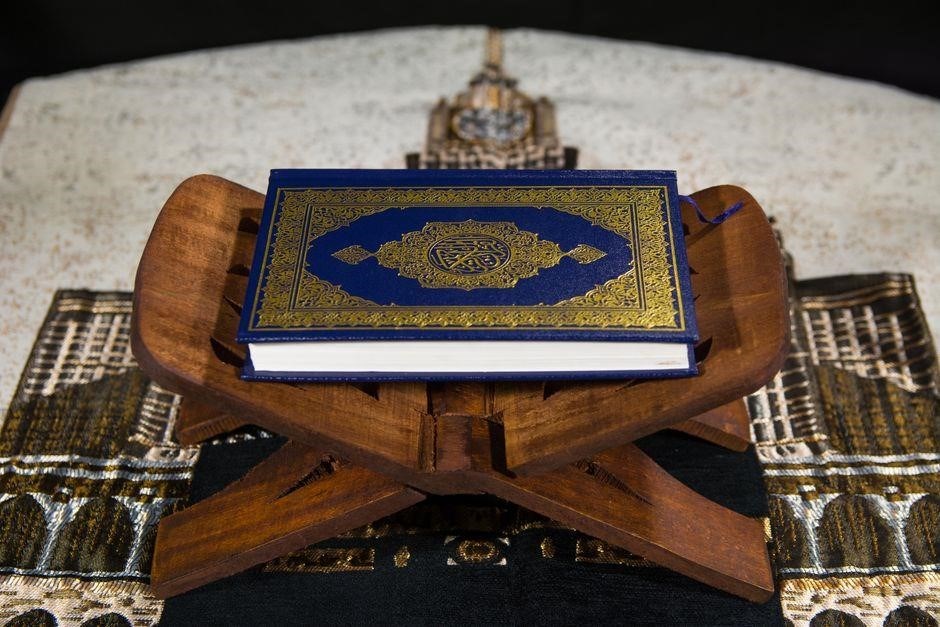
Surah Ash‑Shams PDFs typically range from 2.5 MB to 3 MB‚ depending on the source and whether the file includes additional resources such as translations or transliterations. The base Arabic text is rendered in high‑resolution Indopak or Naskh font‚ ensuring crisp calligraphy even when printed at full page size. Most repositories embed the font to preserve the original script‚ eliminating the need for external font installation. The PDF resolution is usually set to 300 dpi for print quality‚ but many files are also optimized for web viewing‚ offering a lower resolution of 150 dpi to reduce file size without compromising legibility. Users can view the PDF on any standard reader‚ and the document structure supports bookmarking each verse for quick navigation. Some versions include a table of contents and page numbers‚ which aid in academic referencing. When downloading from archive sites‚ the file size may vary slightly due to compression settings‚ but the overall quality remains consistent across platforms. The PDFs are available in both portrait and landscape orientations‚ allowing flexibility for different display preferences. For those who prefer a smaller footprint‚ the essential text is maintained while trimming decorative elements for readers!
3.2 Font and Script Details
Surah Ash‑Shams PDFs use a range of Arabic scripts to meet diverse reader needs. The most common is the Naskh typeface‚ prized for its clarity and widespread use in printed Qur’an editions. Many repositories embed Naskh directly‚ preserving calligraphic details such as elongated al‑lam and the distinctive shadda. Some PDFs offer the Indopak font‚ a digital standard that closely mimics Naskh while providing a clean‚ web‑friendly rendering. For a more scholarly feel‚ a few PDFs include Jameel Noori Nastaleeq‚ favored in South Asian editions for its elegant curve and historical authenticity. The script choice is usually noted in the file metadata‚ and some documents provide a brief legend. When the PDF contains both Arabic and English transliteration‚ the transliteration is rendered in a sans‑serif typeface like Arial or Times New Roman to keep visual contrast. Arabic text is set between 12 pt and 14 pt‚ while transliteration and translation use 10 pt to 11 pt‚ keeping Arabic as the focal point. All fonts are embedded to avoid substitution issues‚ ensuring compatibility with major readers such as Adobe Acrobat‚ Foxit‚ and mobile apps. Users can extract the text for word processors‚ where embedded fonts preserve the original script. This careful typeface selection and embedding guarantee that the spiritual and aesthetic integrity of Surah Ash‑Shams remains intact for both modern and traditional audiences. Additionally‚ many PDFs include page numbers and a table of contents‚ enabling quick navigation and scholarly referencing. The PDFs are available in both portrait and landscape orientations‚ offering flexibility for different display preferences. All versions are freely downloadable and can be printed or viewed on any device without loss of quality. Enjoy!
3.3 Translation and Transliteration Options
Surah Ash‑Shams PDFs usually display the Arabic text alongside an English translation‚ sourced from editions such as Yusuf Ali‚ Sahih International‚ or Saheeh International. Many PDFs also include a transliteration column using the standard Romanization system‚ with each Arabic verse followed by its phonetic rendering in a small‚ clear typeface. Users can often switch between “Arabic only‚” “Arabic + Translation‚” and “Arabic + Transliteration” views if the document is interactive. The translation is set in a 10‑point serif font‚ while the transliteration uses a 9‑point sans‑serif font like Arial or Times New Roman to maintain visual hierarchy. All translations are embedded in the PDF metadata‚ enabling easy extraction for study or citation. The transliteration follows International Phonetic Alphabet guidelines‚ making it useful for language learners and reciters. The combination of Arabic‚ translation‚ and transliteration in a single document makes the Surah Ash‑Shams PDF a versatile resource for scholars‚ students‚ and general readers worldwide. These PDFs are freely downloadable from sites such as al‑asmaa‑ul‑husna.blogspot.com and the Internet Archive‚ where users can also access the original PDF at no cost. Users can print the document or view it on mobile devices. A small index of verses allows quick reference to ayah. The layout works well on both print and digital screens; Readers can zoom in for study and analysis
Usage‚ Licensing and Citation Guidelines
Most PDFs are domain CC‑licensed‚ permitting free use for study‚ teaching‚ and academic use! Cite the source‚ e.g.‚ “Surah Ash‑Shams‚ Al‑Asmaa blog‚ 2021” or the Internet Archive ID‚ and honor any attribution requirement!!
4.1 Copyright Status of Surah Ash-Shams PDFs
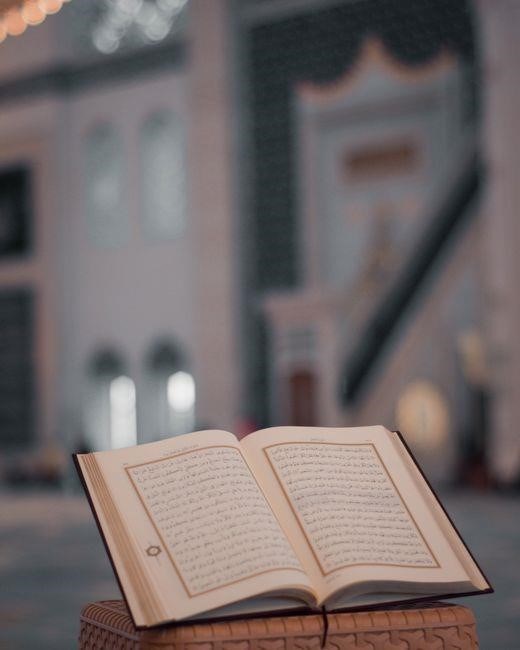
Surah Ash‑Shams is part of the public domain in many jurisdictions‚ as the Quranic text itself is considered a religious scripture that cannot be copyrighted. PDF versions distributed by official libraries‚ independent blogs‚ and archive repositories are typically free from copyright claims. However‚ formatting‚ layout‚ and added features such as translations‚ transliterations‚ or commentary may be subject to copyright protection. For example‚ the Al‑Asmaa blog’s PDF includes an English translation and transliteration that may be protected under the author’s rights. The Internet Archive’s version‚ while hosting the original Arabic text‚ also includes metadata and a unique identifier that may be protected. Users should verify the licensing information provided by each source. Many repositories label their PDFs under Creative Commons licenses (e.g.‚ CC‑BY or CC‑BY‑SA)‚ allowing free use with attribution. If a PDF is labeled “Public Domain” or “No Copyright‚” it can be used for commercial or non‑commercial purposes without restriction. Proper attribution is essential‚ even when the text itself is public domain‚ to respect the efforts of the individuals who compiled‚ translated‚ or formatted the PDF. Users should check PDF metadata for any usage restrictions to ensure compliance and respect.
4.2 Licensing and Free Use Permissions
Most Surah Ash‑Shams PDFs are available under public‑domain or Creative Commons licenses‚ allowing unrestricted use. Official Quran libraries label the Arabic text as “Public Domain‚” while independent blogs such as al‑asmaa‑ul‑husna use CC‑BY or CC‑BY‑SA‚ requiring attribution. The Internet Archive marks its collection as “Public Domain‚” but includes metadata that may be copyrighted; users should still attribute the source. PDFs containing translations‚ transliterations‚ or tafsir annotations are usually copyrighted by the translators or publishers. In such cases‚ the PDF may be shared only under the specific license granted by the rights holder‚ often requiring attribution and prohibiting commercial use. When a PDF includes additional content‚ check the license badge or the “License” section in the PDF metadata. If the license is not explicitly stated‚ treat the file as restricted and seek permission from the author or publisher. For academic or educational use‚ many institutions allow the use of public‑domain PDFs under fair‑use policies‚ but commercial distribution still requires explicit permission. Always include a citation that references the source URL‚ the author (if available)‚ and the date accessed to comply with best practices for digital content reuse. Rights for non‑Arabic; use education!!!!!!.
4.3 Proper Citation Requirements
When citing a Surah Ash‑Shams PDF‚ include the author (if listed)‚ title‚ publisher‚ publication year‚ URL‚ and access date. For public‑domain PDFs‚ a simple reference such as “Surah Ash‑Shams‚ Quran‚ 2021‚ https://al‑asmaa‑ul‑husna.blogspot.com/‚ accessed 16 Nov 2026” suffices. For PDFs with translations or tafsir‚ add the translator’s name and the edition. Example: “Surah Ash‑Shams‚ translated by Muhammad S. Khan‚ Darul Furqan‚ 2022‚ https://archive.org/details/quran-surah-91-ash-shams-arabic-download‚ accessed 16 Nov 2026.” If the PDF is under a Creative Commons license‚ include the license type (e.g.‚ CC‑BY‑SA) and any attribution requirements. When using the PDF in academic work‚ embed a footnote or endnote that follows the chosen citation style (APA‚ MLA‚ Chicago). Always preserve the original file’s integrity; if you modify the PDF‚ note the changes and provide a new link or version identifier. For commercial projects‚ obtain explicit permission even if the PDF is freely downloadable. Proper citation not only respects intellectual property but also enhances scholarly transparency and allows readers to locate the exact source. Ensure that the citation is consistent across all references to the same PDF. Additionally‚ when citing multiple PDFs from the same source‚ use a shortened form after the first full citation to avoid redundancy. Remember to check the licensing terms for any updates or changes that may affect reuse rights. Finally‚ include a DOI or persistent identifier if available to facilitate long‑term access. All citations should be reviewed annually to ensure compliance with evolving copyright policies.