
A Wilderness Parents Guide: Embracing Nature with Family
Embracing nature as a family cultivates invaluable skills and strong bonds. It stresses self-reliance, common sense, and teamwork. Plan fun day trips, camping, backpacking, canoeing, or biking adventures. Foster responsible, loving, resourceful outdoor experiences together.
Embarking on family wilderness experiences offers an unparalleled opportunity to connect with nature and each other. Beyond the daily routines and common distractions of modern life, these adventures foster invaluable life skills and create lasting memories that truly stand apart. They provide a unique environment where children and parents alike can develop a deeper appreciation for the natural world, learning practical lessons outside the traditional classroom. From simple, accessible excursions to more challenging, immersive expeditions, engaging with the outdoors empowers families to build resilience, adaptability, and a shared sense of accomplishment. This guide aims to illuminate how to make these journeys meaningful and safe, encouraging a lifestyle where the wilderness becomes a cherished, enriching extension of family life, offering profound benefits that extend far beyond the immediate thrill of the trail. It’s about discovering joy, fostering curiosity, learning together, and strengthening bonds amidst breathtaking landscapes. Such experiences are crucial for personal development and nurturing a strong, cohesive family unit, equipping everyone with practical wisdom gained directly from the wild.
The Core Philosophy of Wilderness Parenting
The core philosophy of wilderness parenting revolves around the profound belief that engaging with nature offers unparalleled developmental benefits for families. It fundamentally stresses the cultivation of essential values such as self-reliance, common sense, caution, teamwork, and empathy, seeing these as foundational for personal growth. This approach views life in the wilderness as inherently preferable to the complexities and distractions often found in modern city life, advocating for a return to simpler, more direct interactions with the environment. At its heart, wilderness parenting emphasizes fostering independence and critical thinking skills within natural settings, allowing children to learn directly from their surroundings. Parents are encouraged to act as strong role models, embodying responsibility, love, courage, and resourcefulness, guiding their children through challenges and discoveries alike. This philosophy is not merely about outdoor activities; it’s about instilling deep respect for nature and equipping families with the practical and emotional tools needed to thrive both in and of wild spaces, fostering a holistic growth that urban environments often cannot provide, thus enriching every aspect of family life. It’s a deliberate choice to prioritize experiential learning and connection.
Values for Wilderness Family Life
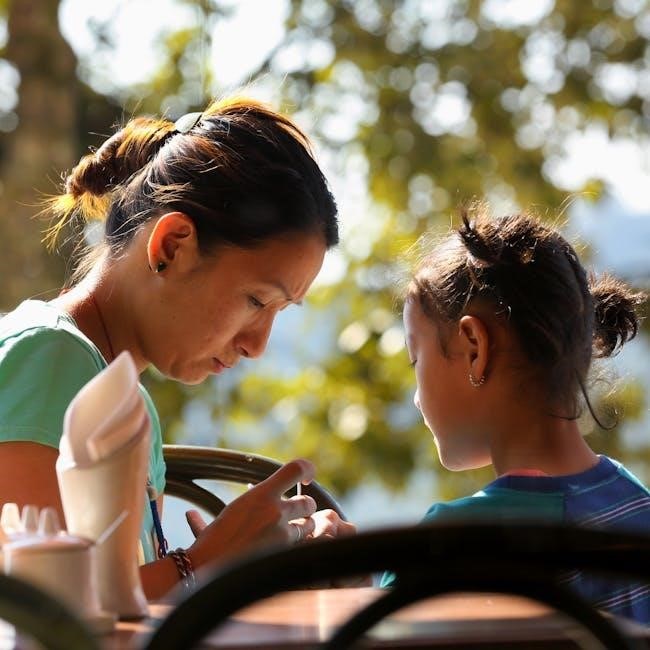
In wilderness family life, core values are indeed essential for building resilient individuals and strong family units. Self-reliance stands as a primary principle, empowering members to develop independence and problem-solving skills within natural environments. Common sense is equally crucial, guiding sound judgments and safe decisions in unpredictable outdoor settings, ensuring overall family well-being. Caution is an absolutely vital virtue, instilling respect for nature’s potential hazards and emphasizing thorough preparation to minimize risks effectively. Teamwork forms the backbone of successful family adventures, promoting cooperation, shared responsibility, and mutual support as everyone works together towards common goals, like setting up camp or navigating challenging trails. Furthermore, empathy is cultivated through shared experiences and a deeper understanding of interconnectedness within the natural world, fostering compassion for both family and environment. These values, central to wilderness living, transcend mere survival; they build character, strengthen familial bonds, and equip children with a moral compass applicable far beyond the wild. Embracing these virtues ensures a fulfilling and meaningful engagement with nature, underscoring the profound benefits of a wilderness-centric upbringing for every family member’s holistic development.
Self-Reliance in Nature

Self-reliance in nature is a cornerstone of a fulfilling wilderness family experience, empowering both parents and children to navigate challenges with confidence. It involves cultivating a deep trust in one’s own abilities and resourcefulness when faced with the unpredictable demands of the outdoors. From finding safe drinking water to setting up camp efficiently, self-reliance teaches practical skills essential for thriving away from modern conveniences. For children, this means gradually taking on age-appropriate responsibilities, like packing their own gear, helping with trail navigation, or contributing to meal preparation. This fosters a sense of ownership and competence.
The wilderness inherently presents scenarios that encourage independent thinking and problem-solving. A sudden change in weather, a forgotten item, or an unexpected turn on the trail all become opportunities to adapt and innovate, rather than becoming dependent on external aid. By embracing these challenges, families learn to rely on their collective ingenuity and individual strengths. This process builds resilience, instills a profound sense of accomplishment, and strengthens family bonds through shared triumphs over adversity. Ultimately, self-reliance in nature equips individuals with invaluable life skills, promoting independence and adaptability that extend far beyond the wilderness setting.
Common Sense in the Outdoors
Common sense in the outdoors is a truly vital skill for any family venturing into nature, acting as an intuitive guide for safe and enjoyable experiences. It’s about applying practical judgment to anticipate and respond to the unique conditions of the wilderness. This means knowing precisely when to pack an extra layer, understanding the crucial importance of staying on marked trails, or recognizing the subtle signs of an approaching storm. Indeed, it’s a primary value that comprehensively underpins all successful family adventures.
Common sense involves a keen awareness of your immediate surroundings and the specific capabilities of every family member, especially children. It dictates not pushing limits unnecessarily, respecting wildlife from a distance, and properly storing food to avoid attracting animals. Exercising common sense also extends to proper hydration and nutrition, ensuring everyone stays energized and healthy. It’s the simple, logical approach to outdoor challenges, preventing minor inconveniences from escalating into serious problems. By fostering this ability, parents empower their children to make smart decisions, creating a foundation for a lifetime of responsible outdoor exploration. This practical wisdom ultimately safeguards well-being and profoundly enhances the joy of connecting with nature.
Caution in Wilderness Settings
Caution in wilderness settings is a primary value that is absolutely indispensable for families exploring nature. It involves a proactive and vigilant approach to safety, acknowledging the inherent unpredictability of outdoor environments. This means meticulously assessing potential risks before and during any excursion, from a simple day hike to a multi-day camping trip. Parents must carefully consider weather forecasts, terrain difficulty, and the physical capabilities of all family members, especially younger children.
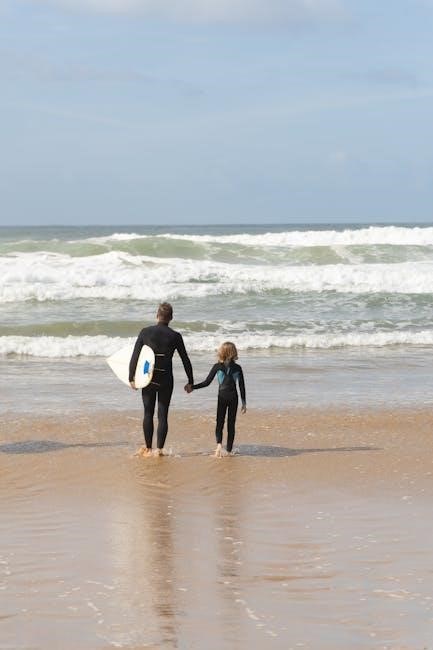
Exercising caution extends to being prepared for unexpected situations. This includes carrying essential first-aid supplies, knowing how to use them, and understanding basic survival techniques. It also means teaching children about potential dangers like poisonous plants, venomous animals, or slippery surfaces, and establishing clear rules for staying together and communicating effectively. Emphasizing caution isn’t about instilling fear, but rather fostering a healthy respect for nature’s power and unpredictability. It’s about making informed decisions to prevent accidents and ensure that every family adventure remains safe, enjoyable, and memorable. This mindful vigilance is crucial for responsible wilderness parenting.
Teamwork for Family Adventures
Teamwork is a primary value stressed in successful wilderness family experiences, essential for navigating the challenges and joys of the outdoors; It transforms individual efforts into a cohesive family unit, where every member contributes to the collective success of an adventure. Whether setting up a tent, preparing a meal, or navigating a trail, shared responsibilities foster a sense of belonging and mutual reliance.
Encouraging teamwork in nature teaches children invaluable life skills such as cooperation, communication, and problem-solving. Each family member learns to depend on others and to offer support, building trust and strengthening familial bonds. For instance, younger children might help gather kindling, while older ones assist with carrying lighter packs or reading maps. This collaborative spirit ensures that tasks are completed efficiently and safely, making the entire experience more enjoyable and less daunting for everyone involved. By working together, families can overcome obstacles, share triumphs, and create lasting memories, reinforcing that the journey is best when everyone pulls their weight. This collective effort is foundational to embracing nature harmoniously.
Empathy in Natural Environments
Empathy is a primary value that is profoundly cultivated within natural environments, making it a cornerstone of a fulfilling wilderness parenting approach. When families immerse themselves in the outdoors, they naturally develop a deeper understanding and compassion for the world around them. This extends beyond human interactions to encompass a respect for wildlife, plant life, and the delicate balance of ecosystems. Observing nature’s intricacies firsthand fosters a sense of interconnectedness, encouraging children and adults alike to consider the impact of their actions on the natural world.
Furthermore, shared experiences in the wilderness, which can sometimes be challenging, intrinsically build empathy among family members. Whether someone is struggling with a long hike, feeling cold, or simply needing encouragement, opportunities arise for family members to step into each other’s shoes, offer support, and practice understanding. This mutual consideration strengthens bonds and teaches invaluable lessons about patience and kindness. Practicing empathy in the wilderness ensures that everyone feels valued and supported, creating a more harmonious and enriching adventure for the entire family as they navigate the wonders and demands of nature together.
Strong Parental Role Models
In the wilderness, parents serve as crucial role models, guiding their children through new experiences and teaching them essential life lessons. The adventures of a wilderness family highlight the necessity of strong parental figures who exemplify key virtues. These include being responsible, ensuring safety and preparedness for every outing, from day trips to longer camping excursions. Parents demonstrate responsibility by meticulously planning fun family outings, checking gear, and understanding the environment.
Furthermore, strong parental role models are loving, creating a supportive and encouraging atmosphere where children feel secure enough to explore and learn. They show courage when facing unexpected challenges, calmly navigating difficulties and demonstrating resilience. This teaches children how to approach obstacles with bravery rather than fear. Lastly, resourceful parenting in nature is vital. Parents creatively solve problems, adapt to changing conditions, and make the most of available resources, illustrating ingenuity. By embodying these traits—responsible, loving, courageous, and resourceful—parents empower their children to develop similar qualities, fostering self-reliance and a deep appreciation for the outdoors. Their actions speak louder than words, shaping children’s character and competence.

Responsible Wilderness Parents
Responsible wilderness parents meticulously plan every family adventure, whether it’s a simple day trip or an ambitious backpacking journey. Their primary concern is the safety and well-being of their children, ensuring all necessary precautions are taken. This involves researching routes, checking weather conditions, and packing appropriate gear for various outings like canoeing or biking trips. They teach children the importance of common sense in the outdoors, explaining potential hazards and how to avoid them. Furthermore, a responsible parent instills values such as self-reliance, encouraging children to contribute to the family’s success in nature. They foster teamwork, showing how collective effort makes adventures more enjoyable and safer for everyone. Loving parental guidance is a hallmark, providing reassurance and positive reinforcement. These parents understand that their actions shape their children’s understanding and appreciation of the natural world. They model cautious behavior, demonstrating how to assess risks without instilling fear, ensuring that every experience is both educational and secure, preferring this life to that of a modern city.
Loving Parental Guidance Outdoors
Loving parental guidance outdoors creates an invaluable foundation for a child’s connection with nature, transforming every excursion into a positive, nurturing experience. This loving approach provides a secure environment where children feel encouraged to explore freely, fostering a deep sense of belonging and confidence in their burgeoning skills. Parents offer gentle support and reassurance, helping kids navigate new challenges while developing crucial self-reliance skills, knowing they are unconditionally loved. They patiently instill common sense and caution, explaining the natural world’s intricacies without fear, building trust and understanding of their surroundings. These heartfelt interactions strengthen family bonds profoundly, making shared moments—from a quiet forest walk to a lively camping trip—truly memorable and meaningful. Such guidance nurtures empathy and promotes teamwork, teaching children to care for each other and their surroundings with genuine compassion. Ultimately, this affectionate framework inspires a profound appreciation for wilderness living, presenting it as a joyful, enriching alternative to the often-overwhelming pace of modern city life. It cultivates courageous, resourceful individuals, confident in their abilities and deeply connected to the natural world for a lifetime of adventure.

Courageous Family Leadership
Courageous family leadership in the wilderness is paramount, as parents often face unpredictable situations that truly demand bravery and decisive action. This leadership means embracing challenges with a positive attitude, inspiring children to overcome their fears, and modeling resilience when faced with unexpected weather changes or difficult terrain. It involves making tough decisions for the family’s safety and well-being, whether it’s altering a hiking route due to unforeseen obstacles or confidently navigating unfamiliar paths. Such courage isn’t about recklessness, but about a thoughtful, proactive approach to potential risks, instilling common sense and caution while demonstrating how to manage them. Parents, acting as strong role models, show that setbacks are opportunities for learning and growth, fostering an adventurous spirit within the family. This unwavering resolve builds children’s trust and confidence in their leaders, encouraging them to step outside their comfort zones and develop their own inner strength. Through courageous guidance, families learn to adapt, problem-solve, and thrive together in any natural environment, making every outdoor experience a testament to their collective fortitude and shared adventure spirit, far from the conveniences of modern city life.
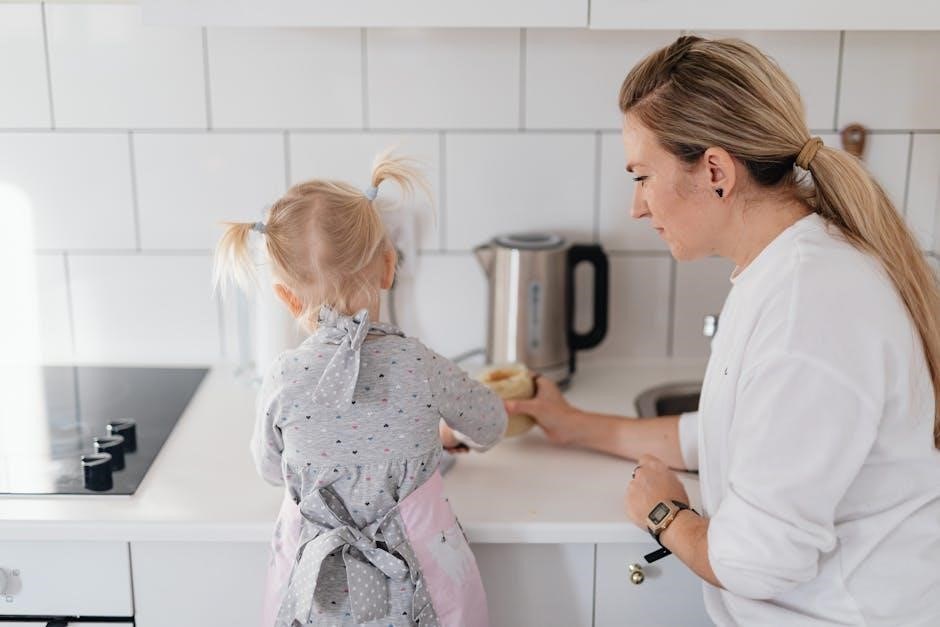
Resourceful Parenting in Nature
Resourceful parenting in nature means cleverly adapting to challenges using available resources, a stark contrast to the conveniences of modern city life. It involves truly creative problem-solving, making do with what you have, and teaching children to see possibilities rather than limitations. This could mean improvising a shelter during an unexpected shower, using natural materials for entertainment, or finding alternative solutions when gear fails. Parents, acting as strong role models, demonstrate how to navigate the wilderness effectively, turning difficulties into invaluable teachable moments. They show how to purify water, identify edible plants safely, or mend torn clothing with limited supplies. This approach fosters innovation and self-sufficiency in children, empowering them to think critically and creatively. It highlights the value of preparation while also emphasizing flexibility to unpredictable elements of the outdoors. Resourceful parents ensure the family’s well-being and enjoyment, even when faced with unforeseen circumstances, making every wilderness experience a lesson in ingenuity and resilience. This reinforces the idea that life in the wilderness, with its demands for adaptability, builds a stronger, more capable family unit than urban living.
Planning Fun Family Outings
Planning fun family outings is absolutely key to a rewarding wilderness experience. Michael Hodgson’s “Wilderness With Children: A Parents Guide to Fun Family Outings” is an excellent resource, suggesting various delightful adventures. These can range from simple day trips exploring local trails to more involved longer camping trips. For the truly adventurous, planning extends to backpacking, canoeing, and even biking trips, each offering unique ways to connect with nature. The essence of planning lies in tailoring the outing to your family’s abilities and interests, ensuring everyone feels excited and thoroughly prepared. It involves carefully selecting appropriate destinations, considering the duration, and gathering necessary gear. Good planning minimizes stress and greatly maximizes enjoyment, transforming potential challenges into memorable adventures. It encourages anticipation and shared decision-making, making the journey itself part of the fun. By carefully considering all aspects, parents can create truly enriching experiences that foster a deep love for the outdoors. This proactive approach ensures that every family outing is not just an activity, but a cherished memory, building confidence and a lasting appreciation for the natural world.
Day Trips in Nature
Day trips in nature provide an ideal, accessible starting point for families to embrace the wilderness. Michael Hodgson’s “Wilderness With Children: A Parents Guide to Fun Family Outings” highlights these shorter excursions as perfect for building confidence and a love for the outdoors without the extensive commitment of longer journeys. These outings involve exploring local parks, hiking accessible trails, or visiting nearby nature preserves. The key is simplicity and enjoyment, focusing on engaging children with their immediate surroundings. Parents can make these trips memorable by pointing out fascinating wildlife, unique plants, and interesting geological features. Packing a fun picnic, organizing a nature scavenger hunt, or simply finding a peaceful spot for quiet observation transforms a basic walk into an unforgettable adventure. Day trips allow families to test new gear, practice fundamental outdoor skills, and introduce essential Leave No Trace principles in a manageable setting; They are less intimidating for young children and new parents, offering a low-pressure way to connect with the natural world. The flexibility of day trips means they can be spontaneous or carefully planned, easily adapting to weather changes or varying energy levels, thus preparing for more ambitious wilderness explorations.
Longer Camping Trips
Moving beyond day trips, longer camping excursions offer families a deeper immersion into the wilderness, fostering a profound connection with nature. Michael Hodgson’s “Wilderness With Children: A Parents Guide to Fun Family Outings” specifically advises on planning these extended stays, highlighting their importance in developing sustained outdoor skills and resilience. These trips often involve overnight stays, requiring more comprehensive planning for shelter, food, and gear. They present opportunities for children to learn about setting up tents, building safe campfires, and practicing Leave No Trace principles over multiple days. Longer camping trips naturally reinforce values such as self-reliance, as families manage their resources away from urban conveniences, and teamwork, as everyone contributes to the daily tasks of camp life. Parents serve as strong role models, demonstrating responsible, loving, and resourceful guidance in navigating the challenges and joys of extended outdoor living. The sustained time in natural environments allows for richer experiences, from stargazing away from city lights to observing wildlife cycles, ultimately strengthening family bonds and instilling a lasting appreciation for the wild.
Backpacking Adventures with Children
Embarking on backpacking adventures with children offers an unparalleled opportunity for families to experience the wilderness intimately, moving beyond static campsites into more remote and pristine natural settings. Michael Hodgson’s “Wilderness With Children: A Parents Guide to Fun Family Outings” specifically provides invaluable advice on planning these unique excursions, emphasizing preparation and age-appropriate challenges. Backpacking teaches crucial life skills, such as efficient packing, navigation, and minimalist living, all while carrying essentials on your back. It inherently fosters self-reliance, as each family member contributes to the journey, and teamwork becomes paramount in setting up camp or navigating trails. Parents act as courageous and resourceful leaders, guiding their children through varied terrains and teaching them caution in wilderness environments. These trips cultivate a deep respect for nature and a profound sense of accomplishment for everyone involved. Starting with shorter, well-researched routes and gradually increasing difficulty allows children to build confidence and endurance. Proper gear, like comfortable packs and appropriate footwear, is essential for a positive experience. Backpacking strengthens family bonds through shared challenges and breathtaking natural discoveries, creating lasting memories far from the demands of modern city life.
Canoeing Family Excursions
Canoeing family excursions offer a unique and tranquil way to explore the wilderness, providing a different perspective from land-based adventures. Michael Hodgson’s “Wilderness With Children: A Parents Guide to Fun Family Outings” highlights the joy and practicalities of planning such water-based trips, ensuring they are both safe and memorable. These outings inherently stress teamwork, as paddling in sync is essential for efficient navigation, fostering a strong sense of cooperation among family members. Children learn self-reliance by contributing to the journey, from helping to load gear to assisting with paddling efforts. Parents serve as strong parental role models, demonstrating responsible, loving, courageous, and resourceful guidance on the water. They teach common sense and caution, especially regarding water safety and environmental awareness. Canoeing allows families to reach serene spots inaccessible by foot, providing opportunities for wildlife viewing, fishing, and peaceful contemplation. It’s a wonderful way to experience life in the wilderness, offering a refreshing escape from the hustle of modern city life. These shared experiences create lasting bonds and a deep appreciation for natural waterways, encouraging empathy for the surrounding environment.

Biking Trips for Families
Biking trips for families offer an exhilarating and active way to explore the wilderness, combining physical activity with the joy of discovery. Michael Hodgson’s “Wilderness With Children: A Parents Guide to Fun Family Outings” explicitly suggests planning these adventures, emphasizing their role in fostering essential life skills. These excursions inherently stress self-reliance, as children learn to manage their bikes and gear, and common sense in navigating trails safely. Caution is paramount, with parents ensuring helmets are worn and teaching awareness of varied trail conditions and surroundings. Teamwork is developed through riding together, staying on designated paths, and providing mutual support. Parents serve as strong parental role models, demonstrating responsible, loving, courageous, and resourceful leadership throughout the journey. Biking offers a vibrant alternative to modern city life, allowing families to deeply connect with natural environments and appreciate the outdoors. It encourages empathy for other trail users and the ecosystem, promoting respectful interaction with nature. Careful planning, including route selection, bike maintenance, and packing appropriate supplies, ensures a fun and safe experience, building lasting memories and a love for active outdoor living.
Life in the Wilderness Versus Modern City Life
Life in the wilderness, as highlighted by “The Adventures of the Wilderness Family,” presents a stark and often preferable contrast to the hustle of modern city life. At its core, wilderness living inherently stresses fundamental values often overshadowed in urban environments. Children and parents alike learn vital lessons in self-reliance, understanding that they must often depend on their own skills and ingenuity to navigate challenges. Common sense becomes a daily necessity, guiding decisions from shelter building to food preparation. Caution in wilderness settings is not just a suggestion but a critical component of safety, fostering an awareness of surroundings that differs greatly from city streets. Teamwork flourishes naturally as families collaborate to achieve shared goals, strengthening bonds. Empathy extends beyond human interaction to the natural world, fostering a deeper respect for ecosystems. This environment allows for strong parental role models to emerge, demonstrating responsible, loving, courageous, and resourceful guidance. Rather than passive consumption often found in cities, wilderness life encourages active engagement, problem-solving, and a profound connection to nature, shaping resilient individuals who appreciate profound lessons only nature can teach. This hands-on experience builds character and offers holistic development often missing in urban upbringing.

Resources for Wilderness Parenting
Navigating the journey of wilderness parenting is greatly enhanced by tapping into valuable resources designed to support families in nature. A prime example is Michael Hodgson’s comprehensive guide, “Wilderness With Children: A Parents Guide to Fun Family Outings.” This book is celebrated for its practical advice on planning diverse family nature outings, encompassing everything from simple day trips to longer camping trips. It also provides essential guidance for specialized adventures like backpacking, canoeing, and biking with children, ensuring families are well-prepared for various outdoor experiences. Beyond practical guides, parents might seek emotional support, and “The Wilderness Years: A Parents Survival Guide” by Camille Blyth offers solace for mothers as they navigate the demanding landscape of child-rearing, providing a crucial resource. Additionally, numerous online communities, local outdoor clubs, and national park services offer workshops, maps, and expert advice. These resources empower parents to confidently introduce children to the profound joys and invaluable lessons of the natural world, fostering a deep love for the outdoors and building vital life skills for all. Utilizing such tools is key for successful family adventures.

Michael Hodgson’s Wilderness With Children: A Parents Guide
Michael Hodgson’s acclaimed book, “Wilderness With Children: A Parents Guide to Fun Family Outings,” stands as an indispensable resource for families eager to explore the natural world together. Published with the ISBN 9780811724166, this guide is widely available, including on platforms like Amazon.com, often with free shipping on qualifying offers, making it accessible for many parents. The core strength of Hodgson’s work lies in its practical and comprehensive approach to planning a variety of family nature excursions. It meticulously suggests different types of adventures, starting from simple yet enriching day trips that are perfect for beginners or those with limited time. Furthermore, the guide extends its advice to more involved undertakings, such as longer camping trips, providing detailed insights into preparation and execution. Beyond these general categories, Hodgson offers specific and actionable advice on planning more specialized activities, including backpacking, canoeing, and biking trips with children. This breadth of coverage ensures that parents can find guidance for a wide range of outdoor interests and skill levels, empowering them to create memorable and safe experiences. The book’s focus on “fun family outings” underscores its commitment to making wilderness exploration enjoyable and rewarding for every family member, solidifying its place as a crucial tool for any wilderness parent.